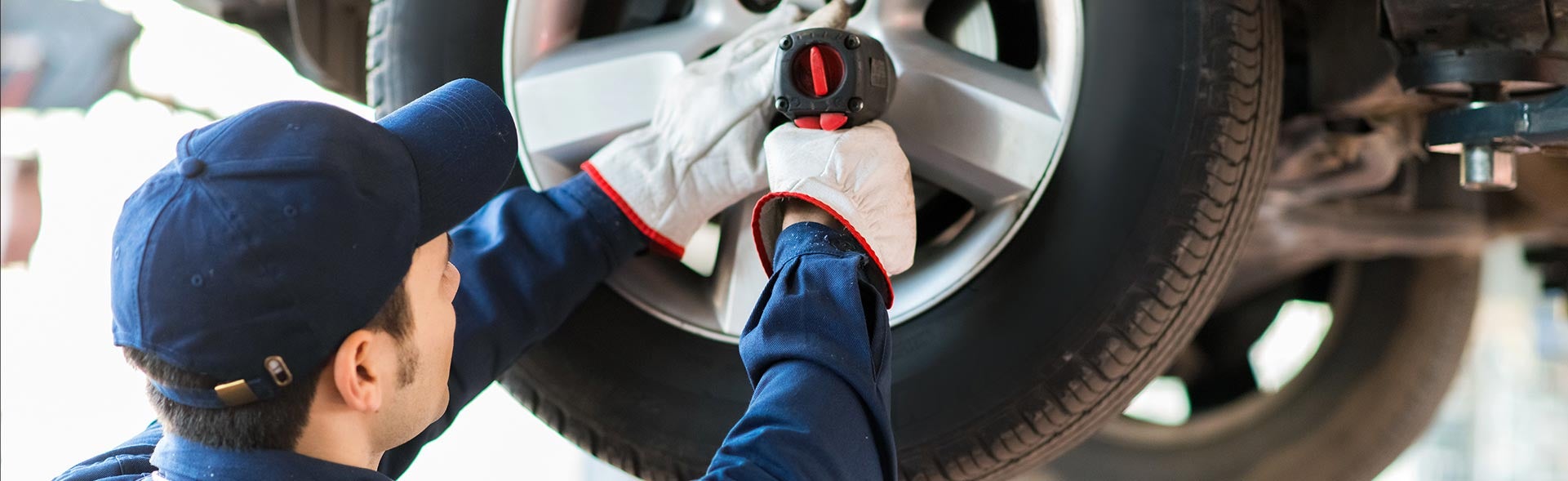

As the temperatures start to drop and the days grow shorter, it’ s a good time to make sure your Honda is ready for the fall. A little preventive maintenance in autumn can go a long way toward keeping you safe and avoiding unexpected breakdowns. No matter if you drive a Civic, CR-V, Accord, Pilot, or any other model in the Honda lineup in Denison, Texas, this fall service guide covers the essentials: batteries, tires, and safety systems. Why Fall Maintenance is Important for Your Honda Cooler weather puts extra demand on several key components of your vehicle. What worked fine during the heat of summer may not perform as well when temperatures dip. You should start with understanding which systems are most vulnerable to seasonal changes - and addressing them before small issues become bigger problems. Honda builds its vehicles with durability in mind, but routine maintenance is still the key to long-term reliability. Taking the time now can help you avoid being stranded on a cold morning or dealing with reduced braking and handling in wet or icy conditions. I nspecting Your Honda's Battery Before Winter Arrives Your battery is one of the first things to address during fall service. Cold temperatures reduce a battery's ability to deliver power, which means a battery that is already weakened from summer heat may struggle to start your Honda on a frosty morning. Most batteries last three to five years, so if yours is approaching that range, have it tested. A technician can perform a quick load test to determine how much life your battery has left. Terminals should also be checked for corrosion, which can interfere with a reliable connection. Checking Your Tires for Fall Driving Conditions F all is the right time to check your tires. As temperatures cool, tire pressure naturally drops roughly one pound per square inch for every 10-degree decrease in temperature. Low tire pressure affects handling, braking, and can reduce tread life over time. Check your tire pressure against the recommended specifications found in your owner's manual or on the door jamb sticker. While you are at it, inspect tread depth for even wear. Uneven wear patterns can indicate alignment or suspension issues that should be addressed. Rotating your tires regularly helps extend their life and ensures consistent performance. Reviewing Your Honda's Safety Systems This Fall Hondas come equipped with a suite of safety systems designed to help protect you and your passengers. Fall weather including rain, fog, and early sunsets puts those systems to the test. You should check your windshield wipers, exterior lighting, and Honda Sensing technologies if your vehicle is equipped. Worn wiper blades can leave streaks that reduce visibility in rainy or foggy conditions. Burned-out bulbs should be replaced promptly to ensure you are visible to other drivers. If your Honda includes safety features like automatic emergency braking or adaptive cruise control, it is a good idea to verify they are functioning correctly and that all sensors are clean and unobstructed. Visit Platinum Honda of Texoma This Fall Keeping your Honda in top shape for fall does n’ t have to be complicated. Focusing on your battery, tires, and safety systems is a good approach to seasonal readiness. Drivers in Denison, TX, can count on expert service from Platinum Honda of Texoma to help get their Honda prepared for cooler weather. To schedule your fall inspection or learn more, visit us online and let our trained Honda service team take care of the rest.